Shopping Cart
There are no more items in your cart
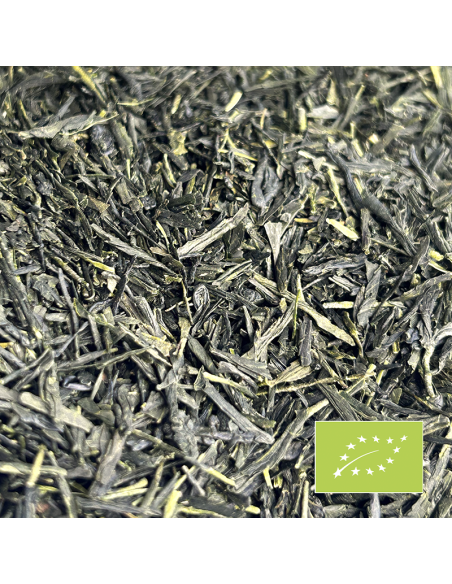
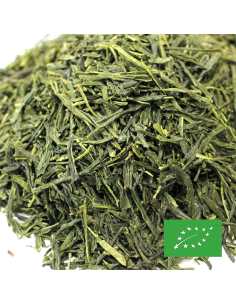
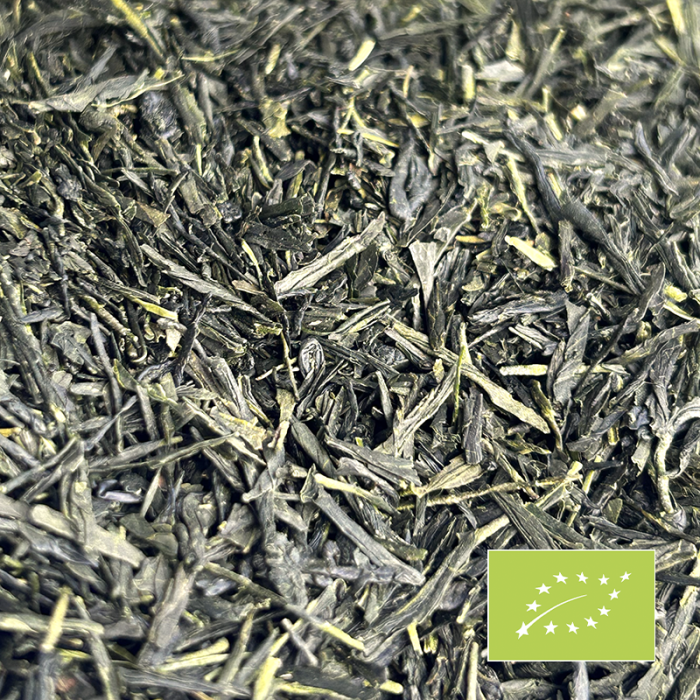
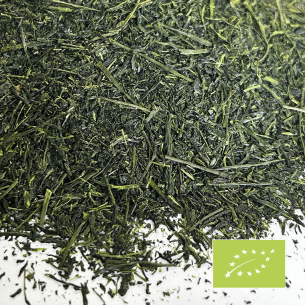
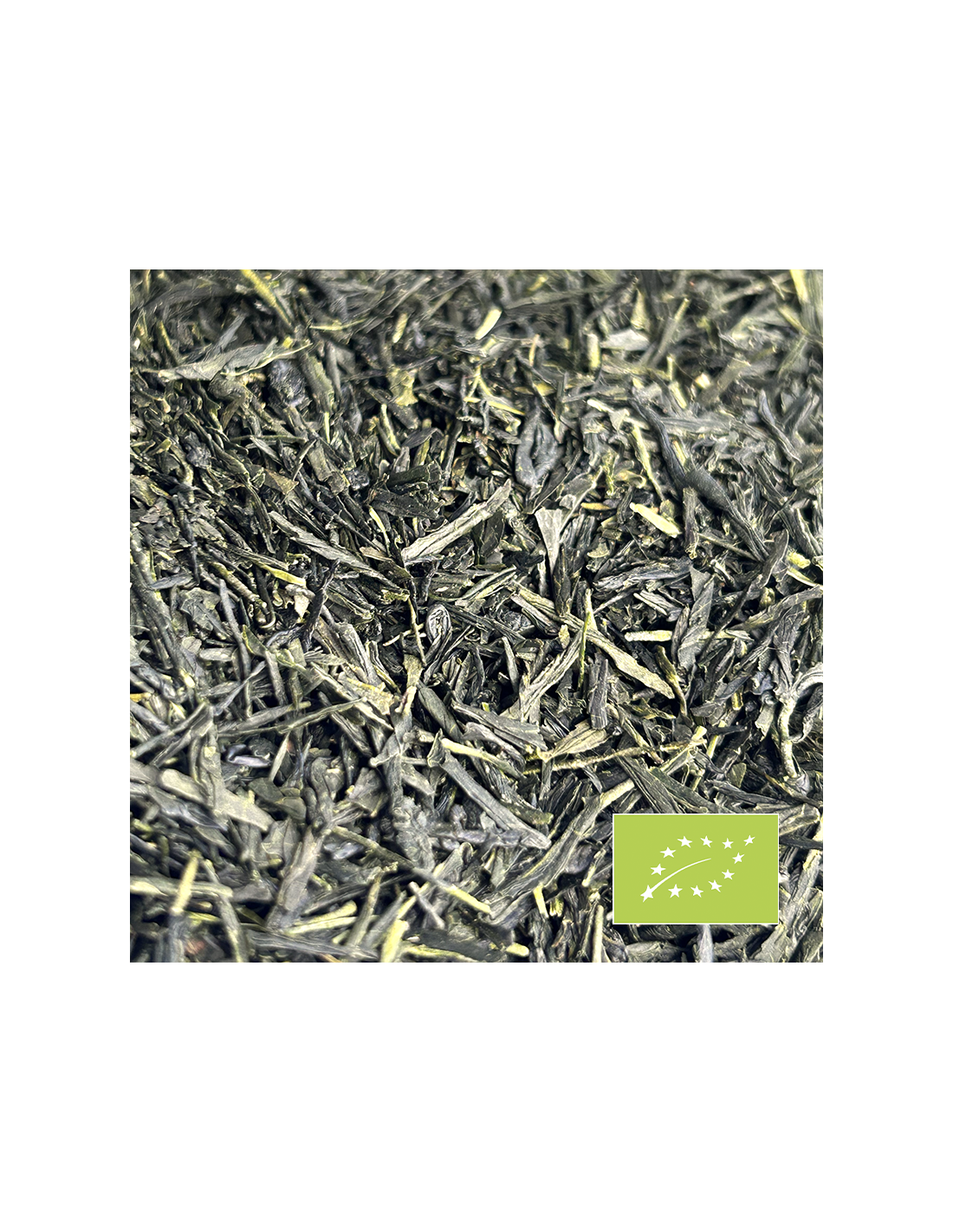
Sencha produced in Kirishima in Kagoshima Prefecture, southern Japan, in April 2026. It is an entry-level first harvest, but nevertheless of excellent quality, and very good value for money for a mid-range but very satisfying everyday tea.
Cultivar: The Yabukita cultivar is a variety of tea plant (Camellia sinensis) native to Japan. It is widely cultivated and used for green tea production, particularly for sencha tea, which is one of the most popular forms of tea in Japan.
Yabukita was developed by a Japanese farmer named Yamamoto Kahei in the early 20th century. He crossbred different tea plant varieties to create a robust plant adapted to Japan's climatic conditions. Yabukita has proven to be a very successful cultivar due to its favorable agronomic characteristics and the quality of its tea.
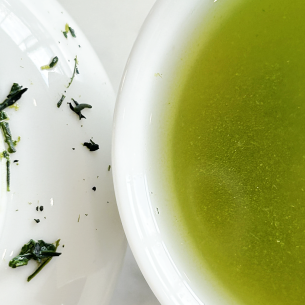
Yabukita tea leaves are elongated and have a slightly rough texture. They produce a clear, aromatic infusion with a smooth and balanced flavor. Yabukita is valued for its ability to retain its aromas and adapt to various processing methods, making it a popular choice among Japanese tea producers.
Brewing advice: This is a high-end tea and we strongly advise to respect the basic dosages as well as to use quality water to brew this tea.
Quality water will be very weakly mineralized water. Check the dry residue on the label of the water you wish to use, a value between 20 and 100mg / L will be suitable. That said, this is not an infallible rule, some waters at 130mg / L work well (Volvic) while others below 100mg / L have less good results. A fairly famous and cheap water is the source of the Grand Barbier that you will find at Carrefour.
Infuse small quantities of tea in a small container. The ideal would be a teapot between 20 and 30cl maximum. Place 5 to 8g of leaves for 1 minute of infusion with water at 70 degrees.